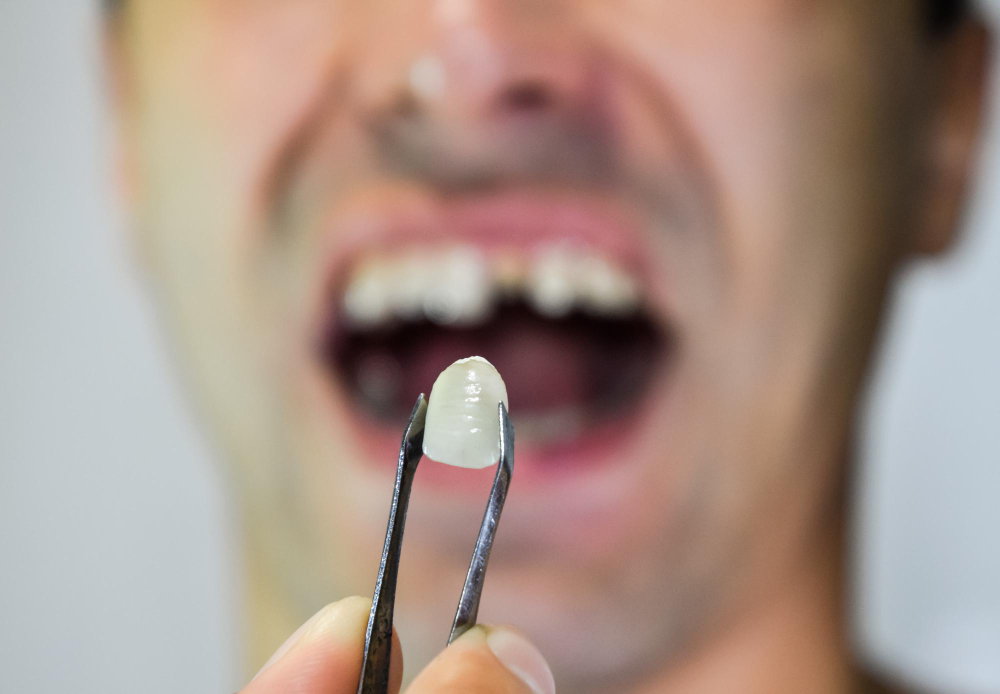
Many people want a brighter, more even smile. Dental veneers are a popular cosmetic dentistry solution that can help. In fact, dental veneers are thin covers placed over the front of your teeth. They can fix chips, stains, or gaps. For those seeking a smile makeover, veneers offer a fast and lasting option. Because of their natural look, many choose them to boost confidence and improve appearance.
What Are Dental Veneers?
Dental veneers are thin shells made from porcelain or resin. Dentists bond them to the front of your teeth. As a result, your teeth look whiter, straighter, and more even. Porcelain veneers are the most common type. They resist stains better than resin veneers. However, both types can give you a natural-looking smile. According to the American Dental Association, veneers are safe and effective when placed by a trained dentist.
Common Reasons for Choosing Dental Veneers
People choose dental veneers for many reasons. Often, they want to improve their smile quickly. Sometimes, other treatments do not give the desired results. For example, teeth whitening may not work for deep stains. In other cases, veneers can cover chips or close small gaps. Here are some common reasons people choose veneers:
Because veneers offer fast results, many see them as a top cosmetic dentistry solution.
The Dental Veneer Procedure: Step-by-Step
The dental veneer procedure usually takes two or three visits. First, your dentist will examine your teeth. They will discuss your goals and check if veneers are right for you. Next, a small amount of enamel is removed from the front of each tooth. This step helps the veneer fit well. Then, your dentist will take a mold of your teeth. The mold goes to a dental lab, where custom veneers are made. While you wait, you may get temporary veneers. Once your permanent veneers are ready, your dentist will bond them to your teeth. After the procedure, you can enjoy your new smile right away.
Benefits of Dental Veneers for Your Smile
Dental veneers offer many benefits. Not only do they improve appearance, but they also boost self-esteem. Here are some key benefits:
Because veneers are tailored to your teeth, they blend in well. As a result, most people cannot tell you have them.
Potential Risks and Considerations
While dental veneers are safe, there are some risks. It is important to know these before starting the dental veneer procedure. For example, veneers are not reversible. Once enamel is removed, it cannot grow back. Also, veneers can chip or crack if you bite hard objects. Here are some potential risks and considerations:
Because of these factors, your dentist will help you decide if veneers are the best choice for you.
Caring for Dental Veneers: Tips for Longevity
Proper care helps veneers last longer. With good habits, porcelain veneers can last 10 years or more. Here are some tips to keep your veneers looking great:
Because veneers are strong, they can handle normal eating and drinking. However, taking care of them helps prevent damage.
Frequently Asked Questions About Dental Veneers
Many people have questions about dental veneers. Here are answers to some common ones:
Because every case is different, your dentist can answer more questions during your visit.