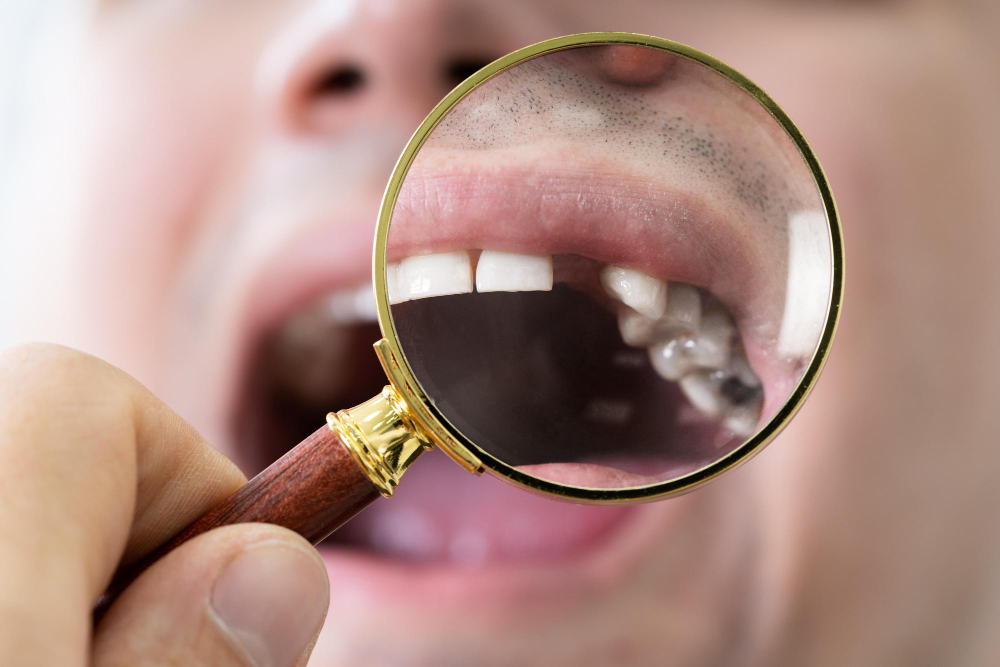
Dental cavities are a common problem for people of all ages. In fact, almost everyone gets a cavity at some point. Because dental cavities can lead to pain and tooth loss, it is important to know the early signs, causes, and how to prevent tooth decay. This guide will help you spot problems early and keep your teeth healthy.
What Are Dental Cavities?
Dental cavities, also called tooth decay or caries, are holes in the teeth. They form when the hard surface of a tooth breaks down. Usually, this happens because bacteria in the mouth make acids that damage the tooth. Over time, these acids eat away at the enamel, which is the hard outer layer of the tooth. If not treated, cavities can get bigger and cause pain or infection.
Early Signs of Dental Cavities
It is important to notice the early signs of cavities. Early treatment can stop the problem from getting worse. For example, you may notice:
Sometimes, you may not feel any pain at first. However, regular dental check-ups can help find cavities before they get worse.
Causes of Tooth Decay
Many things can lead to dental cavities. Understanding the causes of dental cavities can help you avoid them. The main causes include:
Additionally, some people are more likely to get cavities because of family history or health problems. Still, most tooth decay starts with poor oral care and diet.
How to Prevent Dental Cavities
There are simple ways to prevent tooth decay. With daily care, you can lower your risk. Here are some proven tooth decay prevention tips:
For children, dental sealants can protect the back teeth where cavities often start. Adults can benefit from fluoride treatments if they are at high risk.
Lifestyle Tips for Healthy Teeth
Besides brushing and flossing, your daily habits matter. For instance, you can keep your teeth strong by:
Because small changes can make a big difference, try adding these habits to your routine. Over time, you will notice your teeth feel cleaner and stronger.