Introduction
Many people want a straighter smile. Today, there are more teeth straightening options than ever before. When comparing clear aligners vs braces, you may wonder which is best for you. Both invisible aligners and traditional braces can help fix crooked teeth. However, each option has its own pros and cons. Some people search for the best way to straighten teeth that fits their lifestyle. Others want a solution that is less noticeable. This guide explains the main differences between clear aligners and braces. You will also learn what to expect from each treatment.
What Are Clear Aligners?
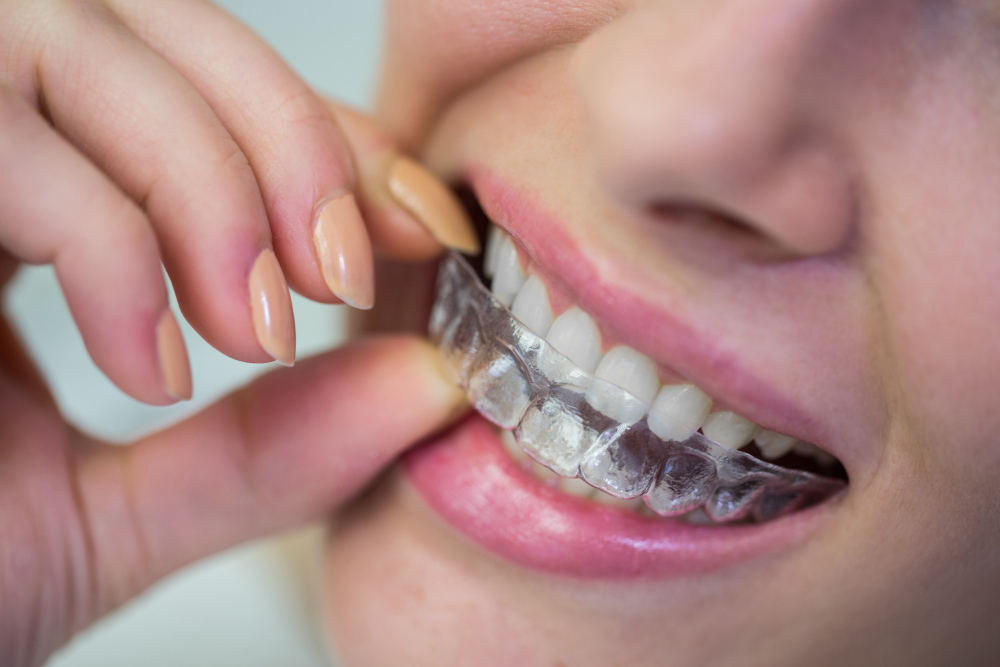
Clear aligners are thin, see-through trays made from special plastic. You wear them over your teeth to gently move them into place. Usually, you get a new set of aligners every one to two weeks. Each set moves your teeth a little more. For example, Invisalign and ClearCorrect are popular brands. Most clear aligners use medical-grade plastic. Because they are removable, you can take them out to eat or brush your teeth. Still, you need to wear them for at least 20 to 22 hours each day for the best results.
What Are Braces?
Braces are devices that use brackets and wires to move teeth. A dentist or orthodontist attaches the brackets to your teeth. Then, they connect the brackets with a thin wire. Over time, the wire is adjusted to guide your teeth into the right position. There are several types of braces:
Braces stay on your teeth until treatment is finished. You cannot remove them at home. They work well for many dental problems, from mild to severe.
Key Differences Between Clear Aligners and Braces
Effectiveness for Different Dental Issues
Clear aligners work best for mild to moderate misalignment. For example, they can fix small gaps or slightly crooked teeth. Braces are often better for severe cases, such as large gaps, twisted teeth, or bite problems. According to the American Dental Association, braces can treat almost all types of alignment issues. Both options are suitable for teens and adults. However, clear aligners may not be right for young children, as they need to be worn as directed.
Cost Comparison
Cost is a big factor for many families. On average, clear aligners cost between $3,000 and $7,000 in the United States. Braces usually range from $2,500 to $7,500, depending on the type. Several factors can affect the price:
Sometimes, insurance may cover part of the cost for either option. It is important to check with your provider.
Lifestyle Considerations
When choosing between clear aligners and braces, think about your daily habits. With aligners, you must remove them before eating or drinking anything except water. Braces, on the other hand, stay on all the time. However, you may need to avoid sticky or hard foods. Oral hygiene is easier with aligners, since you can brush and floss as usual. Braces require special tools to clean around wires. Socially, some people prefer aligners because they are less noticeable. In professional settings, invisible aligners can help you feel more confident.
Potential Risks and Side Effects
Both clear aligners and braces can cause mild discomfort as your teeth move. With aligners, you may notice extra saliva or a slight lisp at first. Braces can cause mouth sores or irritation from wires. In rare cases, teeth may move back if you do not wear your retainer after treatment. To reduce risks:
If you notice pain, swelling, or broken parts, contact your dental provider right away.
How to Choose the Right Option
Choosing between clear aligners and braces depends on several factors. Consider your age, dental needs, lifestyle, and budget. For example, teens and adults may prefer aligners for their look and ease of use. Children or those with complex dental issues may need braces. Above all, it is important to talk with a dental professional, cosult Dr. Gautham Hegde to find the best treatment for your smile and health.